
Field notes
Basement & foundation insights
Honest, practical writing about basement waterproofing, foundation repair, and finishing for Connecticut and New York homeowners. No hype, no upsell, just what we have learned from years of Northeast fieldwork.
-
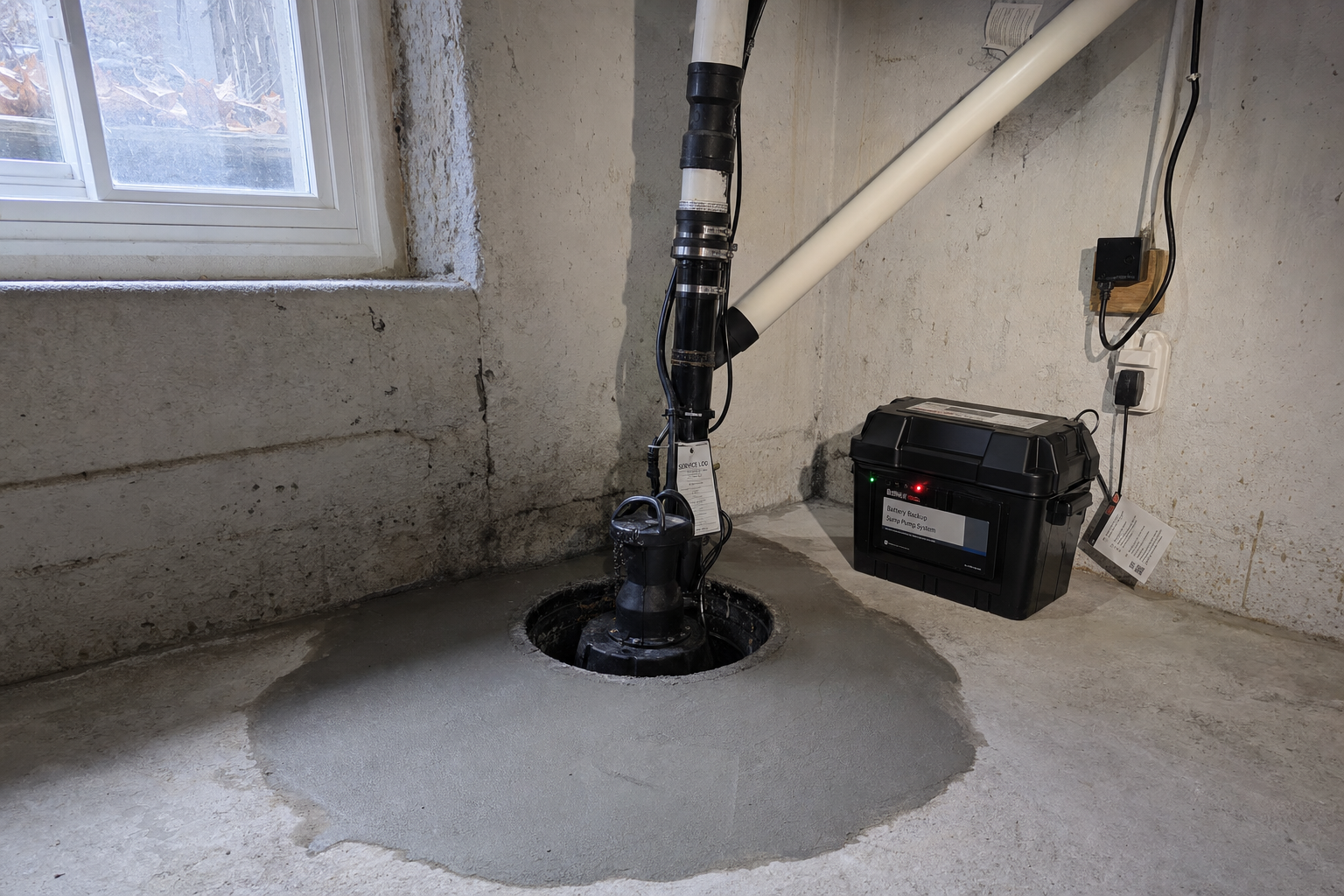
Sump pump installation: choosing the right capacity for your basement
Most sump pump failures are not from manufacturing defects. They are from undersized pumps trying to clear water faster than they were ever built to handle.
-
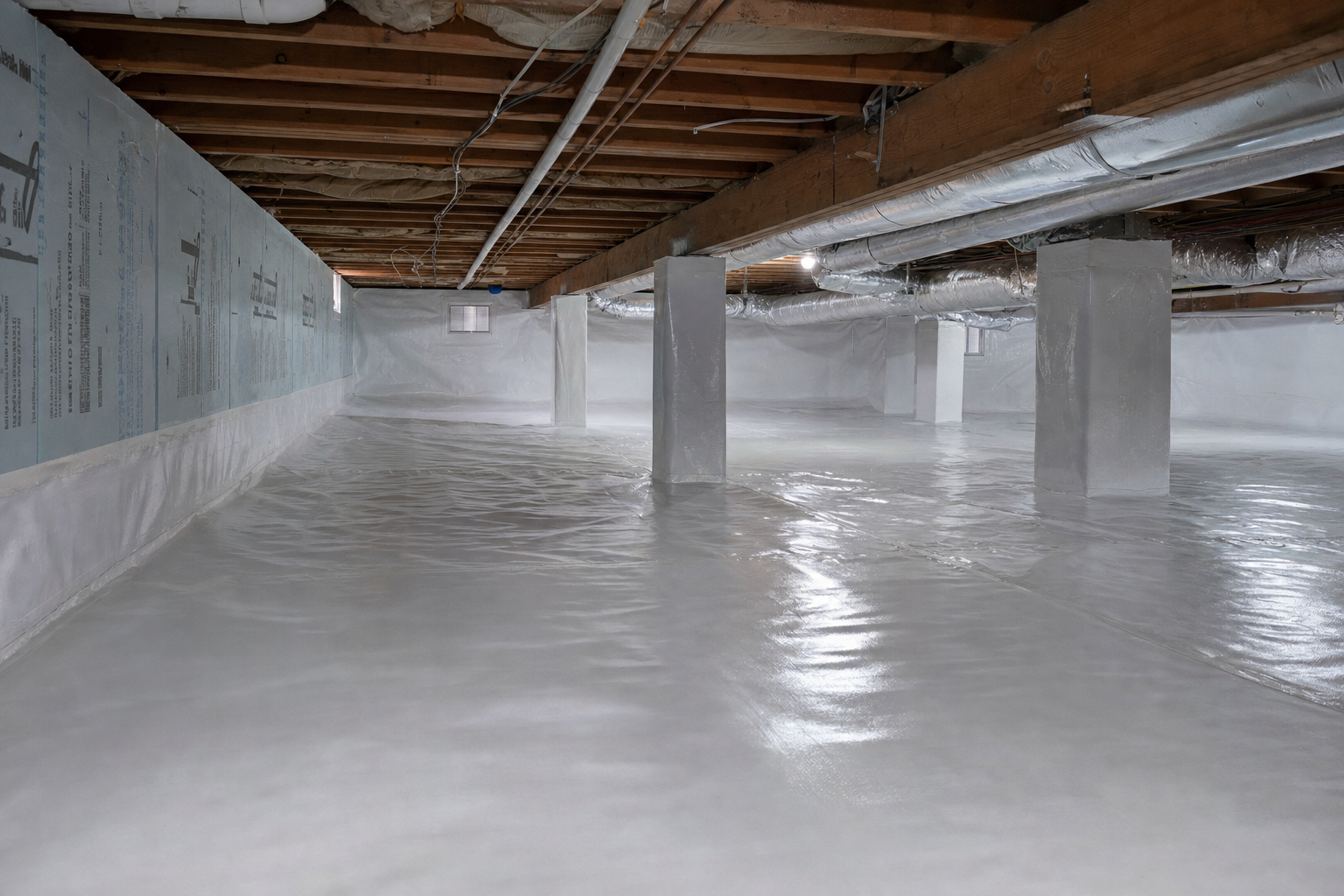
Crawl space encapsulation: complete guide for CT and NY homeowners
Most crawl spaces in Connecticut and New York were built to be ventilated. Building science now says that was wrong. Here is what encapsulation actually involves.
-
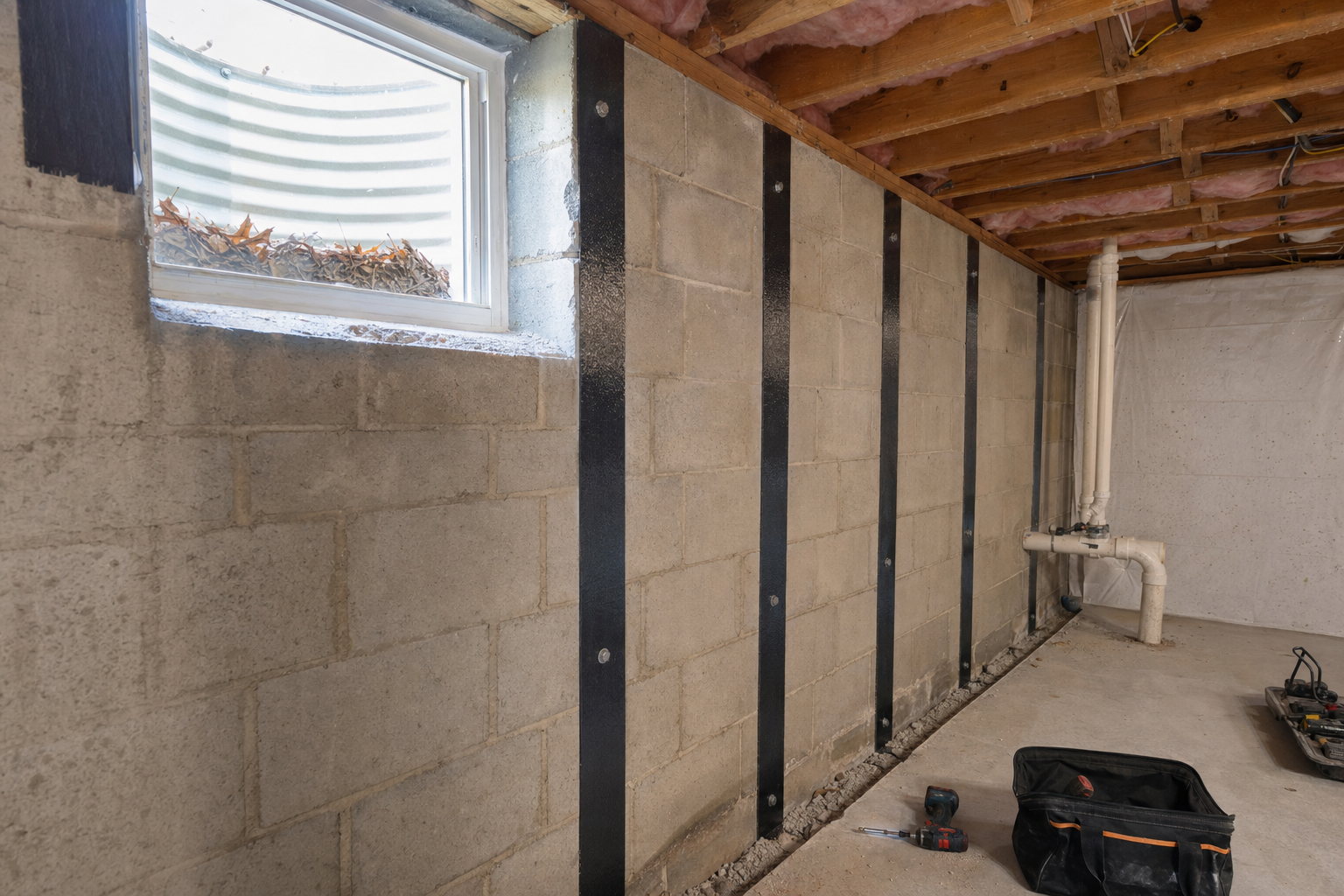
How carbon fiber straps fix bowing foundation walls
Bowing basement walls are one of the most common foundation problems we see in older CT and NY homes. Here is how carbon fiber straps stabilize them without excavation.
-
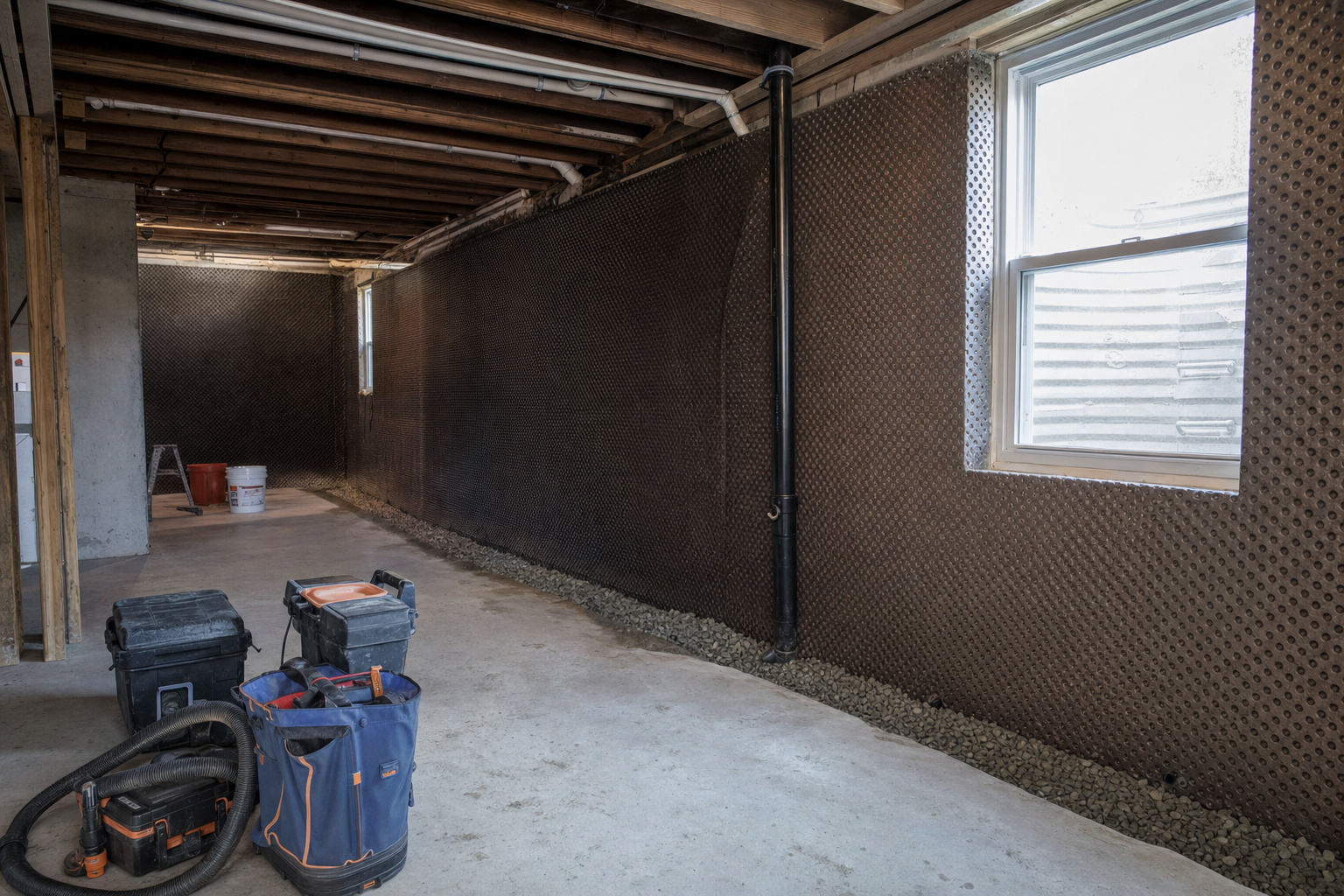
Inside a basement waterproofing project: 4-day timeline + photos
Most homeowners have no idea what actually happens during a basement waterproofing job. Here is the four-day timeline for a typical interior drainage installation in a CT home.
-
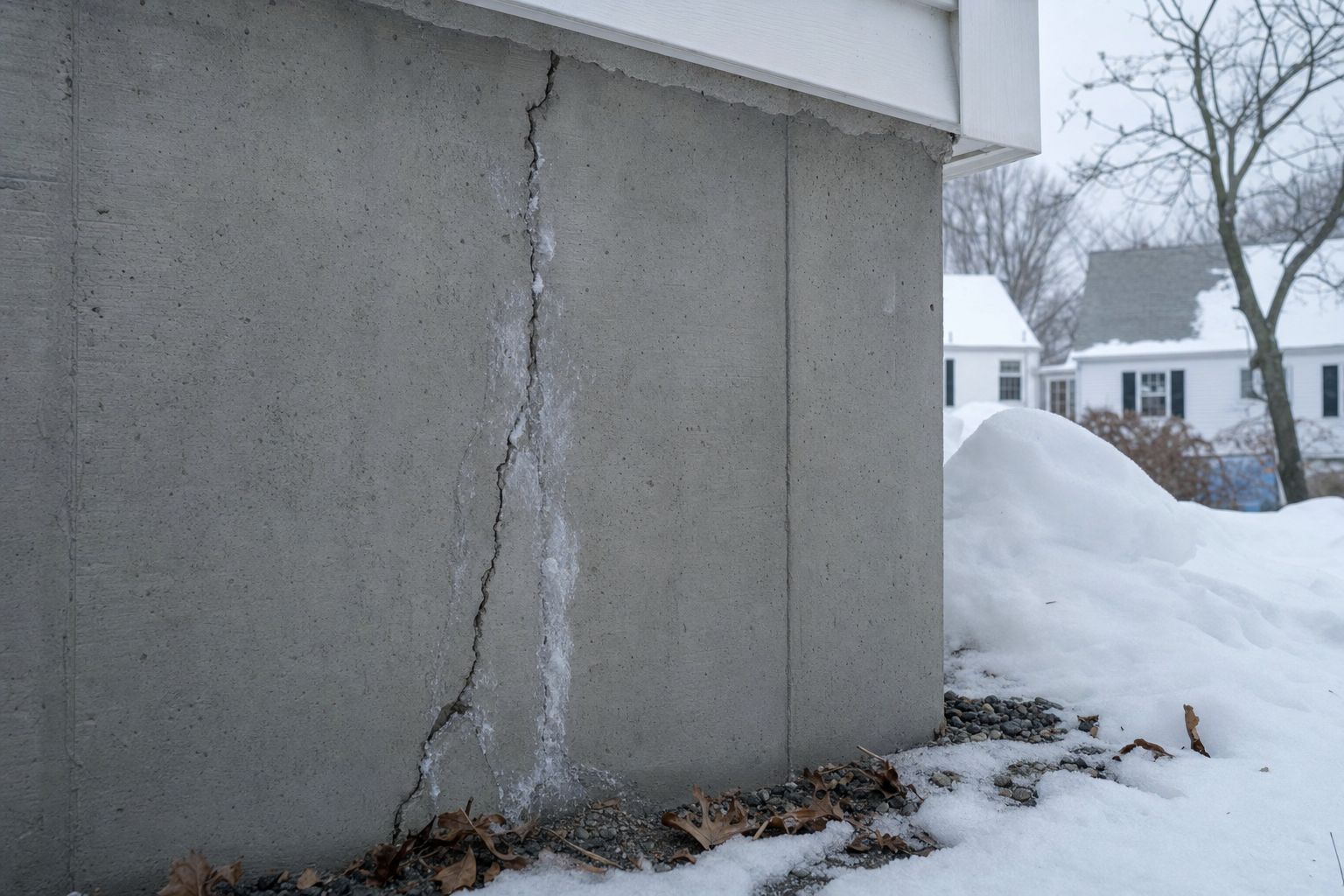
Winter freeze-thaw and foundation cracks: what to watch for
Winter does not cause foundation cracks the way most homeowners think. Here is what is actually happening, and which cracks need attention versus which can wait until spring.
-
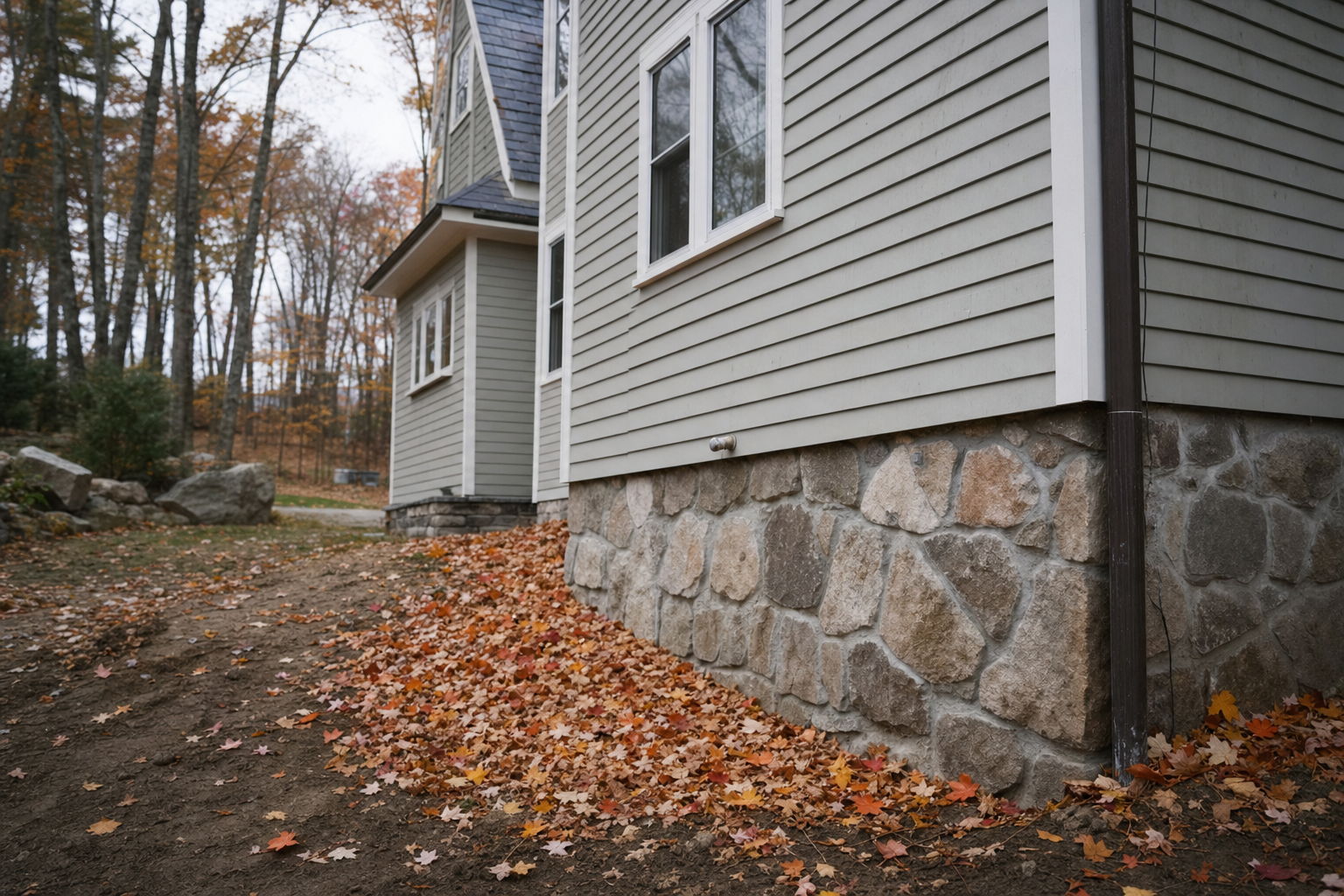
Fall basement check: 7 things to inspect before winter
Fall is the best window of the year for a basement check. Here are seven things we recommend every CT and NY homeowner walk through before the first hard freeze.
-
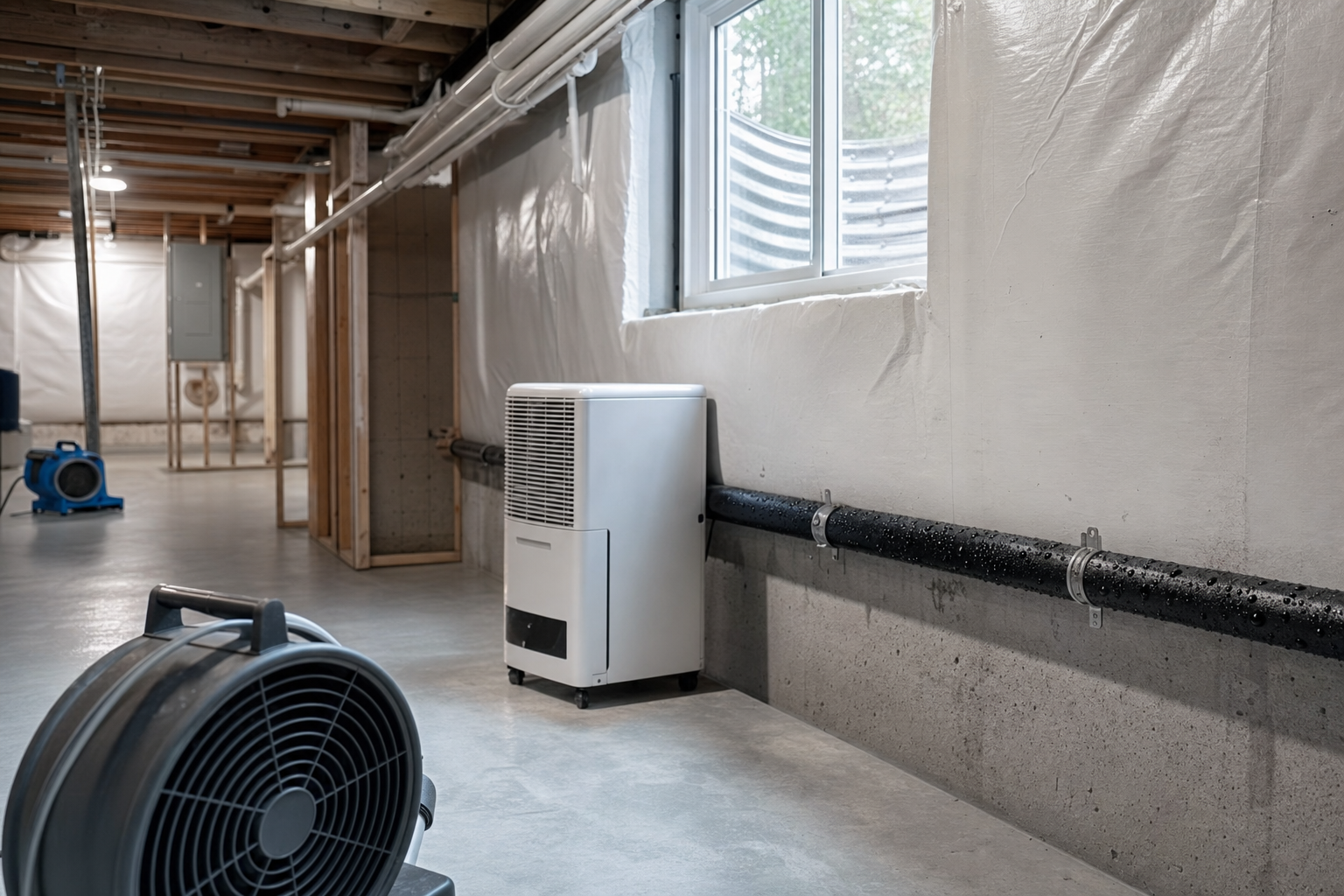
Summer humidity in your basement: when is it a problem?
A muggy basement in July is not the same problem as a wet basement in April. Here is how to tell the difference and when humidity becomes the thing causing damage.
-
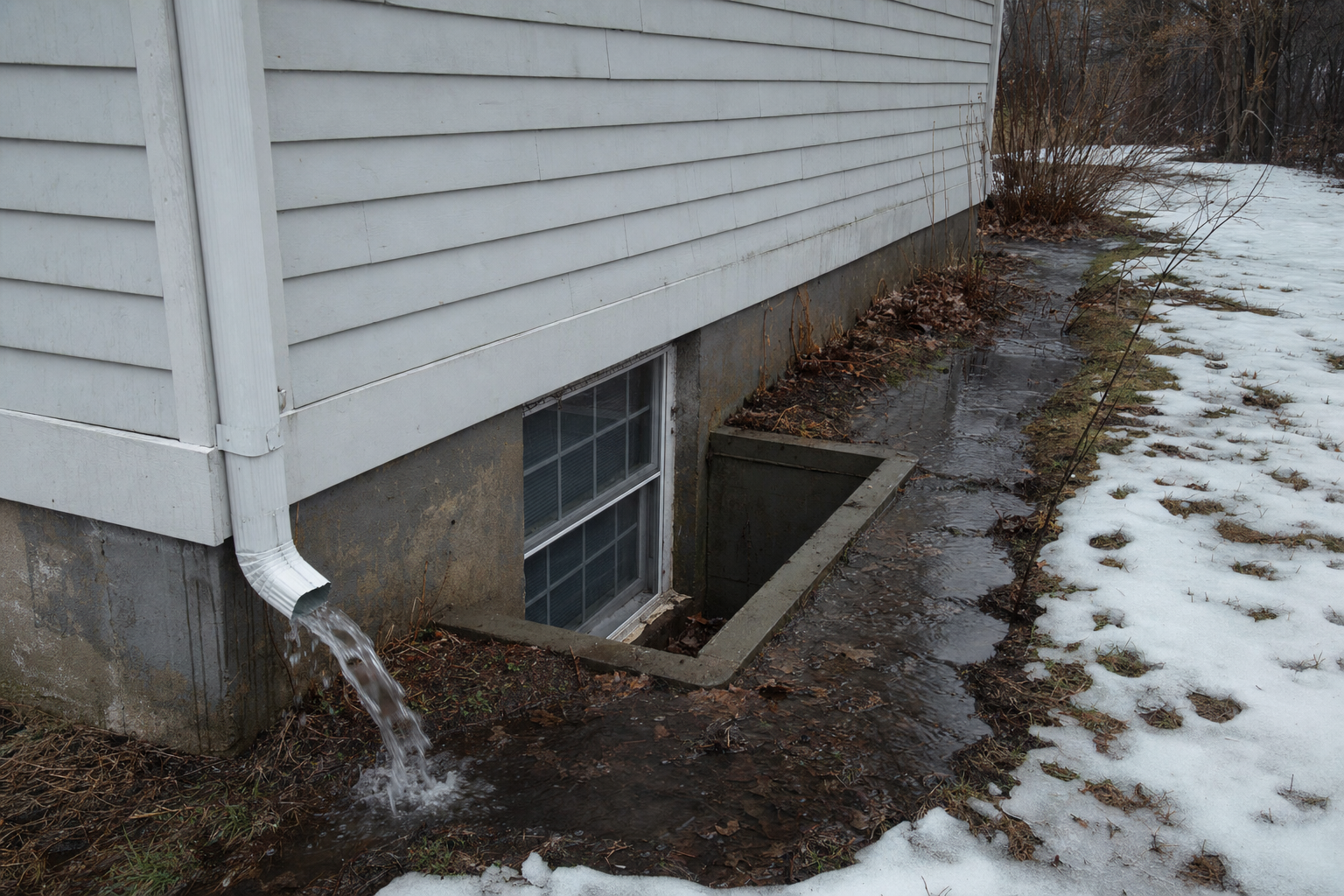
Spring snowmelt and basement flooding · CT homeowner prep guide
March and April push more water at Connecticut foundations than any other stretch of the year. Here is what we tell homeowners to check before the thaw catches them out.